Industrial Fleets
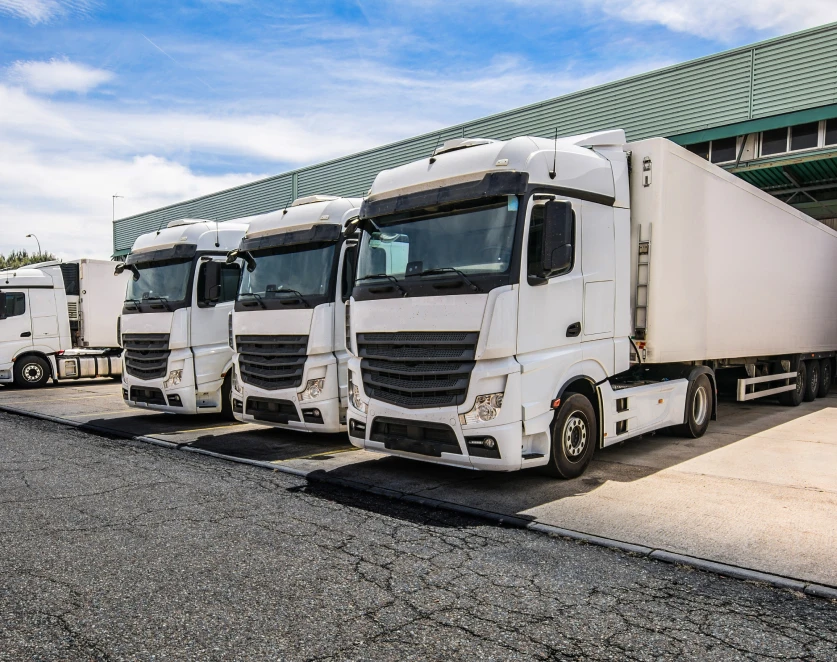
Why Industrial Fleet Operators Choose D&S
Engineered for Industrial Conditions from the Start
Industrial fleet washing comes with a heavy contamination load, more varied vehicle profiles, and uniquely engineered operational context. D&S vehicle wash systems are built to the industrial standard, not adapted to it.

Heavy Contamination Capability
Industrial vehicles bring crude oil residue, silica-based drilling materials, concrete slurry, compacted construction soil, agricultural chemicals, and bio-load. D&S equipment offers systems with the required water volume, chemical delivery capability, and mechanical action to reliably remove it all.
Labor Cost Reduction
D&S automated washing replaces labor allocation with a fixed operating cost structure that stays predictable regardless of fleet size.
Vehicle Profile Adaptability
The IQ MAX's 3D vehicle profiling scans every vehicle individually, adapting the wash cycle to specific dimensions, making a single automated system practical for a mixed industrial fleet.
Operational Durability
D&S large vehicle wash systems are engineered to accommodate heavy-duty components, with open-bay construction for service access and the mechanical robustness that continuous industrial use requires.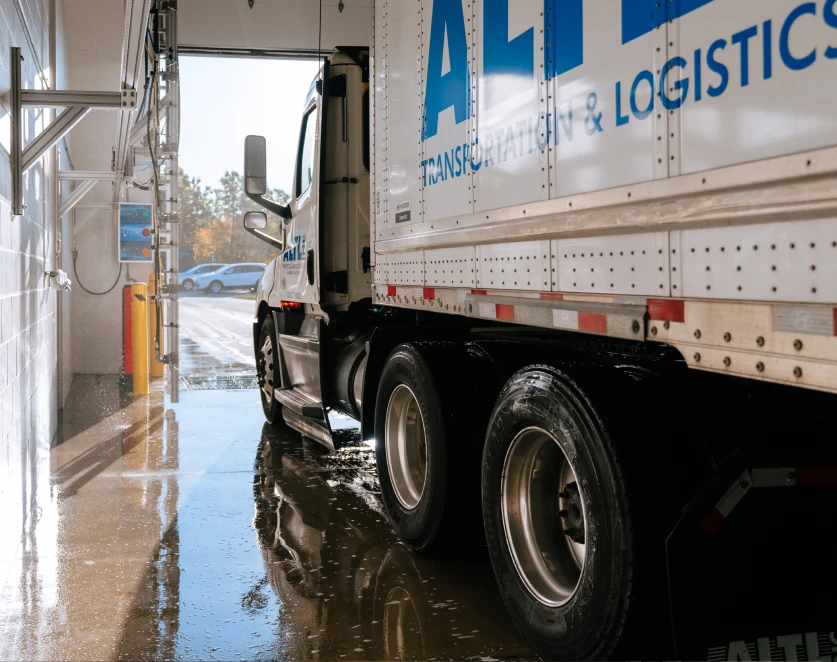
How D&S Serves Industrial Fleet Washing Operations
Industrial fleet washing is a maintenance cost that has to be managed. For most operators, the question isn’t whether to wash the fleet but how to do it at the scale and frequency required without consuming a disproportionate share of the maintenance budget.
For energy sector operators, the specific challenge is contamination severity and regulatory exposure. Vehicles that have operated in active field environments carry contamination types that standard wash cycles don’t fully address, and in some regulatory contexts, inadequate removal creates compliance exposure. D&S large vehicle wash systems can be configured with chemical delivery and water management appropriate for energy sector contamination profiles.
For construction operators, the primary challenge is vehicle profile variation and the compacted, bonded nature of construction site contamination. The IQ MAX’s adaptive wash cycle handles the dimensional variation of a mixed construction fleet, and the chemical pre-soak and high-volume water application that D&S systems support removes compacted construction material effectively.
For agricultural operators, the biosecurity dimension of washing is operationally significant. Vehicles moving between fields or operations need to be washed to a contamination standard that prevents cross-contamination of pathogens, invasive species, or chemical residues. D&S systems can be configured for the throughput and cleaning standard that agricultural biosecurity protocols require.
For logistics and freight operators, the challenge is scale and schedule: large fleets, frequent washing requirements, and a maintenance budget structured around predictable costs rather than variable manual labor. D&S automated systems convert the variable cost of a manual wash program into a predictable operating cost.
D&S Systems for Industrial Fleet Operations
The Equipment that Handles What Industrial Vehicles Bring In
Industrial fleet washing is built around the IQ MAX’s core capability, with adaptive wash cycle, heavy-duty construction, and the chemical delivery infrastructure to handle the contamination load industrial vehicles carry.
IQ MAX
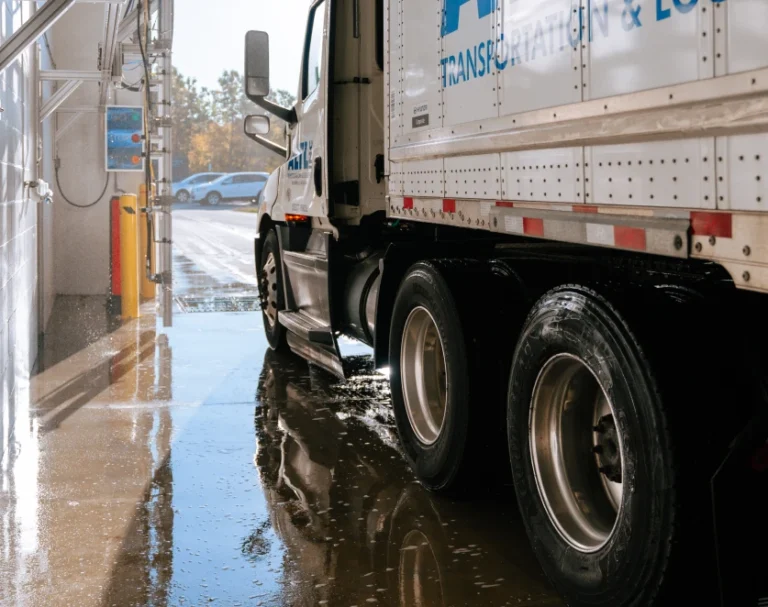
The IQ MAX handles the full dimensional range of industrial fleet vehicles using 3D vehicle profiling that adapts the wash cycle to each vehicle's specific dimensions, with high-volume water application and configurable chemical delivery that addresses the contamination severity that industrial operations generate.
System Add-Ons
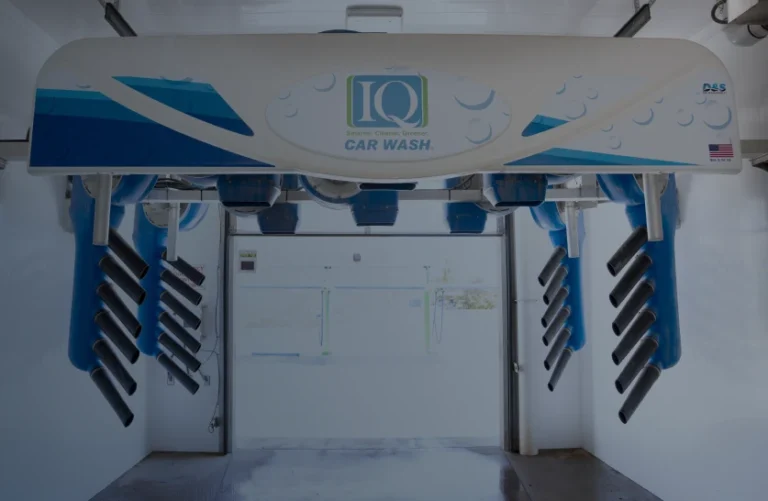
Industrial fleet system add-ons offer chemical pre-soak stages to break down oil, grease, and bonded construction material; water reclaim systems that address discharge compliance requirements; and high-volume rinse stages that ensure contamination removal is to the standard industrial and regulatory protocols require.

Pay Systems
Managing wash compliance requires transaction-level reporting that confirms which vehicles were washed, when, and to what cycle standard. WashCard fleet card integration provides that record with fleet cards issued by vehicle or department, transactions recorded at each wash cycle, and reporting that makes it easy to track within your fleet management and maintenance accounting systems.
Yes. D&S large vehicle wash systems are configured with chemical delivery and water volume appropriate for heavy industrial contamination. Chemical pre-soak stages that break down hydrocarbons, silica-based materials, and compacted construction soil improve cleaning effectiveness on heavily contaminated vehicles significantly compared to wash cycles without a pre-soak stage. Contact D&S with information about your vehicle types and contamination conditions to discuss the right configuration.
Yes. D&S large vehicle wash systems have been installed at remote and industrial locations with the utility infrastructure to support them. Key requirements are water supply at adequate volume and pressure, drainage infrastructure for wash water discharge or reclaim, electrical service at the appropriate specification, and access for service vehicles during maintenance. For remote facilities where utility infrastructure is limited, D&S and your local distributor will assess the site during the planning process and advise on any infrastructure development required.
D&S large vehicle wash systems in industrial environments typically require more frequent inspection of chemical delivery components and wash brush elements than installations in standard commercial environments, due to the heavier contamination load. Your authorized D&S distributor will provide a recommended preventive maintenance schedule for an industrial installation that accounts for the higher-use profile and the environmental conditions specific to the facility. The IQ MAX’s self-diagnostic monitoring alerts the operator and distributor when component performance deviates from specification, supporting proactive maintenance rather than reactive service.