
Originally posted on the WashCard Systems blog.
Why summer is the smartest time to upgrade your wash.
Prep for Profitability
Summer car wash upgrades turn your slowest season into preparation for your most profitable months. With fewer cars in line, you can shut down bays for maintenance, install new equipment, and train staff without sacrificing as much revenue as you would in fall or winter.
Is Summer Really Slower?
Across the U.S., operators report that summer is typically the quietest stretch between pollen season and winter grime. One industry analysis notes that volumes often dip noticeably in mid-summer as families travel and spend time away from their usual routines. That lull is painful if you only look at daily counts — but powerful if you treat it as an annual “construction season.”
In Minnesota (where WashCard is based!) and other cold-weather markets, you already think in terms of two seasons: winter and construction. Adopting the same mindset for your wash means planning any major work — especially anything involving concrete, plumbing, or extended closures — for the warm, dry months. That way, you hit fall with fresher equipment, better chemistry, and fewer surprise breakdowns.
Upgrade Option 1: Operational Advancements That Reduce Downtime
The most profitable summer projects are often the least flashy: the operational upgrades that keep bays running in January when every minute of uptime counts. Start with a detailed inspection list: pumps, hoses, nozzles, weep systems, undercarriage sprays, lighting, and any aging touch points in the bay.
A practical tactic is to schedule one bay “offline” each week during your slowest day and time. Rotate through all bays, replacing worn tips, repairing leaks, and checking water pressure. Document each change so you can see which components fail most often. Many operators find that a few hundred dollars in proactive part replacement saves thousands in emergency calls during the first cold snap.
If you run an in-bay automatic, summer is the moment to address chronic issues like uneven coverage, misaligned blowers, or arch failures. Bringing in a trusted technician now, when they’re not slammed with winter calls, usually means faster scheduling and better rates. Ask for a written performance baseline—cycle time, water use, and chemical consumption—so you can compare again after winter.
Finally, consider automation that reduces labor and human error. Simple add-ons like remote monitoring for bay faults or chemistry levels can cut response time from hours to minutes. A fully automated payment lane, tie-in to your site controller, or remote start/stop capability all reduce your chances of discovering an issue only when a line of cars is already backed up.
Upgrade Option 2: Modern Payments That Match How Drivers Want to Pay
Updating how customers pay is one of the highest-ROI car wash payment upgrades you can tackle in summer. Drivers now expect tap-to-pay (via mobile or card), EMV chip, swipe, and mobile wallets everywhere — from coffee shops to gas pumps — and a wash that only takes cash or magstripe cards feels outdated the moment they pull up.
Industry data shows why this matters. A payment study from Payroc emphasizes that in car washing, payment technology isn’t just about convenience; it’s about speed and throughput. Every extra tap, misread card, or confusing screen adds seconds, which quickly turn into abandoned lines and lost revenue.
Installing tap-to-pay readers and a clean, simple user interface at your pay stations reduces friction. Customers spend less time figuring out buttons and more time moving through the wash. Pair that with a mobile app solution like UWashApp that supports loyalty, subscription plans, and in-app payment, and you create a habit: customers choose your wash before they even pull out of the driveway.
Summer is ideal for these changes because you can test, tweak messaging, and train your regulars while volume is lower. Promote the upgrade clearly on signage: “Now accepting tap-to-pay, Apple Pay, and Google Pay” or “Download our app for faster washes and rewards.” By the time fall traffic returns, paying at your wash feels effortless — and that ease directly supports higher ticket averages and membership adoption.
Upgrade Option 3: Low-Cost Cosmetic Improvements That Refresh Your Site Fast
Not every summer upgrade has to be a six-figure equipment project. Small, cosmetic improvements often deliver an outsized impact on how clean, modern, and trustworthy your wash feels to passing drivers. The goal is to make someone who hasn’t stopped in months think, “Wow, this place looks new.”
Start with visibility. Fresh, high-contrast signage is one of the cheapest ways to boost curb appeal. Replace faded or wordy menus with bright, simple graphics that highlight your best packages and any new technology: “Contactless Pay,” “Mobile App,” or “Fleet Options Available.” Even swapping out old fluorescent bay lights for clean LED strips can make concrete and equipment look years newer.
Walk your lot at night and in bad weather. Are your entrances clear? Are vacuums well lit? Is there a clean, obvious path from the street to the pay station? Many operators discover that a weekend of pressure washing, repainting curbs, and fixing potholes transforms the feel of the property. Customers equate a tidy lot with well-maintained equipment and better wash results.
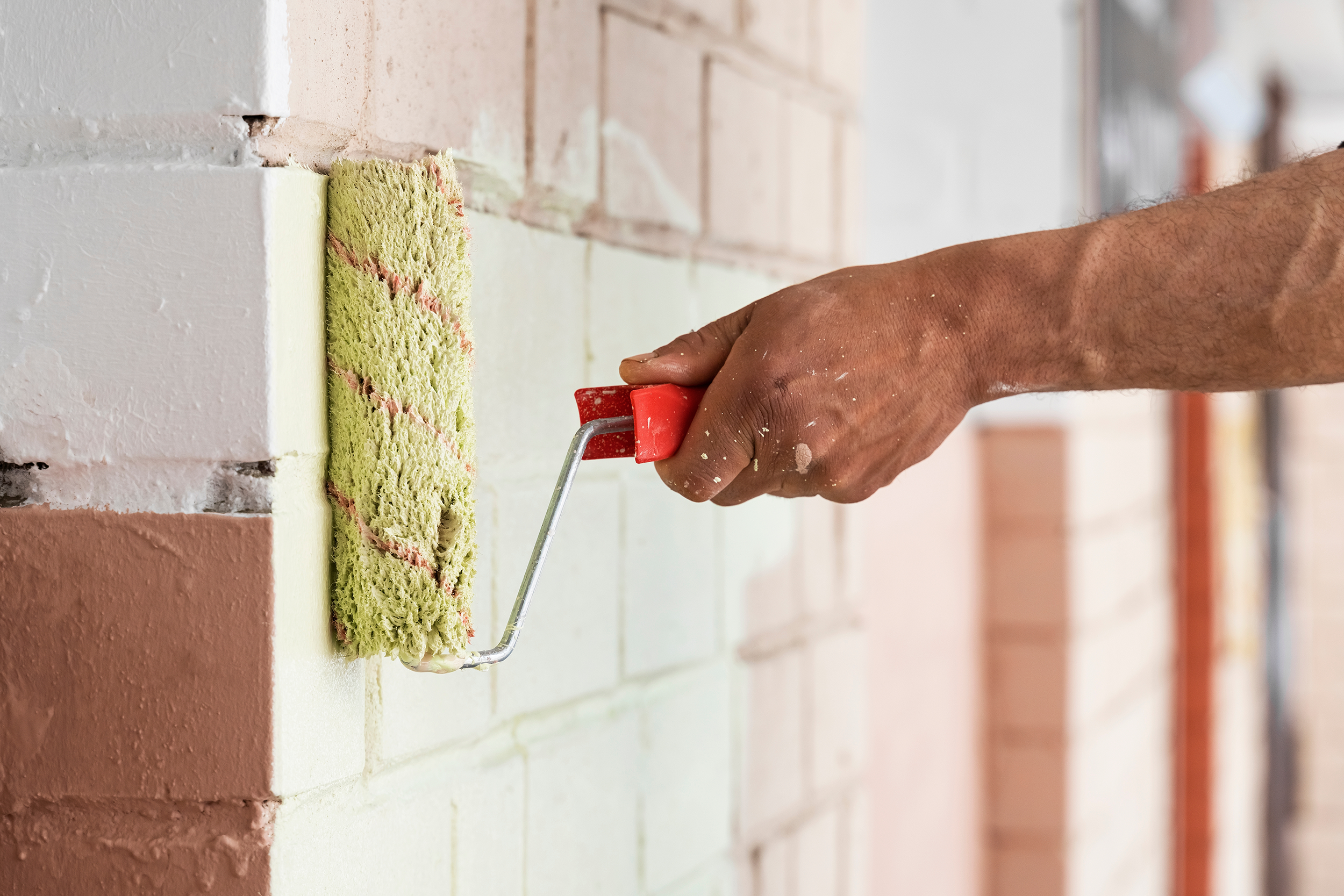
Inside the bays, fresh wall coatings, new foam brushes, and simple instructional decals go a long way. Consider adding clear “Step 1, 2, 3” visuals or QR codes that link to a quick how-to video. Each of these projects can typically be completed during a single slow day, but they compound into a noticeably improved experience when fall and winter customers return.
Marketing Moves to Relaunch Your Upgraded Wash in the Fall
Upgrades pay off fastest when you tell people about them. Treat your summer projects as the build-up to a fall “relaunch,” even if you never fully shut your site down. The story you want customers to hear is simple: “We used the slow months to make your wash faster, easier, and better.”
Begin by documenting your work. Take before-and-after photos of bays, payment kiosks, and signage as you complete each upgrade. These become powerful visuals for social media, email campaigns, and in-app messages. A short caption like “New tap-to-pay and brighter bays — ready for back-to-school traffic” connects your investment to their everyday life.
Consider a limited-time fall promotion to encourage trial. For example, offer a small bonus on stored-value accounts loaded through your app, or a discount on your top package for customers who use contactless payment. Tie the offer to a clear deadline, such as Labor Day or the first week of school, to create urgency.
Don’t overlook on-site marketing. Windshield stickers, pump toppers at nearby gas stations, and flyers at local businesses remind drivers that your wash is ready for the season change. Partnering with youth sports leagues or school fundraisers in August and September can also bring new families through your upgraded site.
Planning Your Summer Upgrade Roadmap with Realistic Numbers
To make summer upgrades sustainable year after year, build them into an annual plan and budget. Instead of treating projects as one-off emergencies, map out a three-year roadmap that covers equipment replacement, payment technology, cosmetic refreshes, and marketing.
Start with your revenue data from the last 12–24 months. Identify your slowest weeks by average ticket count, then pencil those in as your target windows for closures or large installs. If your summer volume is, say, 25% lower than your winter peak, you can estimate the “cost” of taking a bay offline for a day and compare it to the value of the upgrade.
For example, if the new WashCard Cashless Payment Station costs you roughly $19,000 and you estimate it can increase throughput enough to add three extra cars per hour during peak times, run the math. At $16 per ticket and 20 peak hours per week, that’s up to $960 a week — meaning the pay station could pay for itself in under six months of busy-season operation.
Finally, schedule regular check-ins on your upgrade ROI each fall. Track membership growth, average ticket size, rewash rates, and any reduction in emergency service calls. When you can tie summer investments to concrete improvements in fall and winter performance, it becomes much easier to justify the next round of upgrades — and to keep turning your slowest season into the foundation of your strongest profits.